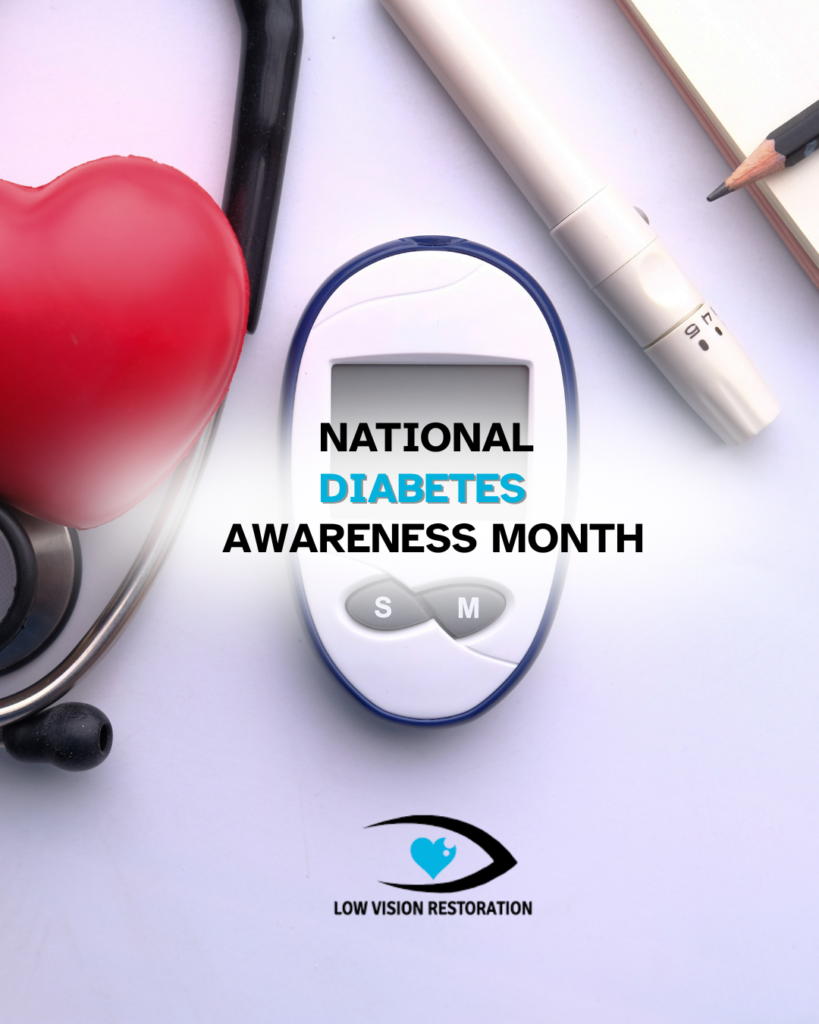
November’s Diabetes Awareness Month is a good reminder for Minnesotans to keep an eye on eye health- especially Diabetic Retinopathy. This diabetes-related condition damages the tiny blood vessels in the retina. Early changes can be silent; later, people may notice blurred or fluctuating vision, dark or empty spots, reduced contrast, glare sensitivity (think winter snow glare), difficulty reading, and trouble recognizing faces. Because Diabetic Retinopathy can progress without obvious warning signs, regular dilated eye exams with your medical eye care team are essential.
Medical treatment comes first. Strong control of blood sugar, blood pressure, and cholesterol helps slow the progression of damage. Eye physicians may recommend anti-VEGF injections, laser therapy, or surgery to preserve vision. Even with excellent care, some Minnesotans are left with Low Vision- sight that isn’t sufficient for daily tasks using standard glasses, contacts, surgery, or medications. That’s when Minnesota’s Low Vision Optometrist can help with practical, task-focused solutions.
How a Minnesota Low Vision Optometrist helps
At Low Vision Restoration in the Twin Cities, Dr. Chris Palmer focuses on what you want to do-and prescribes custom Low Vision glasses and specialty optics to support those goals. The visit is hands-on and goal-driven. You’ll talk through the tasks that matter most in your daily life across Minnesota seasons: reading mail, books, or hymnals; watching TV; using a computer or tablet; managing medications; cooking; recognizing faces at family gatherings; playing cards; navigating outdoors on bright, snowy days; and even driving where permitted. You’ll try solutions in the office so you can feel the difference before deciding what to order.
Common options for people with Diabetic Retinopathy include:
– High-add or prismatic readers for small print, labels, and forms
– Task-specific near lenses tuned for computer distance
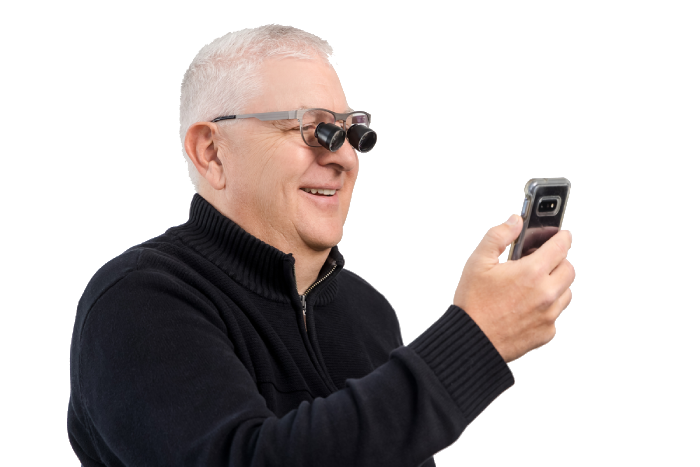
– Telescopic lenses (bioptic or full-diameter) for spotting street signs, faces, and presentations
– Contrast-enhancing filters and tints to reduce glare and improve comfort- useful in Minnesota’s bright summer sun and winter snow
– Anti-reflective coatings and lighting strategies that make details stand out at home
Because Diabetic Retinopathy can cause vision to fluctuate, a careful refraction helps determine whether a new standard prescription will help. From there, Dr. Palmer matches magnification, working distance, and field of view to your tasks. The goal isn’t just to read smaller letters on an eye chart; it’s to help you comfortably do the activities you care about.
When to consider Low Vision care in Minneapolis–Saint Paul
If you’re keeping up with your medical eye appointments in Minnesota but still struggling with everyday tasks, don’t wait. Earlier is better. Addressing functional challenges sooner preserves independence, expands your options, and reduces frustration. Low Vision care complements your retina specialist or comprehensive eye doctor; Dr. Palmer coordinates findings and plans with your medical team.
About driving
Driving is discussed on a case-by-case basis. Eligibility depends on your measured vision, your ability to use prescribed devices safely (for example, bioptic telescopes), training, and Minnesota law. It’s never guaranteed, but it can be explored when appropriate.
What to bring and expect
– Bring real-life items: your mail, favorite book, phone or tablet, craft supplies, or sheet music
– Expect to try customized glasses in-office on tasks that matter to you
– Leave with clear next steps and a plan that fits your routines in the Twin Cities and greater Minnesota
Local help for Low Vision and Diabetic Retinopathy
Diabetes management and medical eye treatment remain essential. When those steps still leave day‑to‑day gaps, partnering with a Minnesota Low Vision Optometrist offers a practical path forward. With the right custom Low Vision glasses and a clear plan, many people with Diabetic Retinopathy in Minneapolis, St. Paul, and across Minnesota regain the ability to read, use technology, recognize faces, get around confidently, and participate more fully at home, work, school, and in the community.
If Diabetic Retinopathy is part of your life and vision is getting in the way of what matters, consider a free phone consultation to learn your options before making an appointment. Call 612-729-3030 or visit LowVisionOfMN.com. Serving the Twin Cities metro and greater Minnesota.