Every May, Healthy Vision Month serves as an important reminder to slow down and pay attention to something many of us take for granted: our eyesight.
As a low vision doctor serving the Twin Cities and Greater Minnesota, I often meet people who wait until vision problems begin interfering with everyday life before scheduling an eye exam. Unfortunately, many eye conditions develop gradually and may not cause obvious symptoms early on.
At Low Vision Restoration, I encourage people to take a proactive approach to their eye health because protecting your vision today can make a meaningful difference in your independence, confidence, and quality of life later on.
Whether you are living with low vision in Minnesota, caring for a loved one experiencing vision changes, or simply trying to maintain healthy eyesight as you age, here are five habits I encourage to help support long-term vision health.
1. Schedule a Comprehensive Eye Exam
One of the most important things you can do for your eye health is schedule regular comprehensive eye exams, including dilation when recommended.
Conditions such as glaucoma, macular degeneration, and diabetic eye disease can develop slowly and without pain. A dilated eye exam allows us to examine the retina, optic nerve, and other internal structures of the eye to detect potential issues early.
Early detection often means more options, better outcomes, and a greater chance of preserving functional vision.
For many people across the Twin Cities, routine eye care is the first step toward preventing avoidable vision loss.
2. Learn Your Family Eye Health History
Your family history can provide important clues about your risk for certain eye diseases.
Conditions like macular degeneration, glaucoma, and diabetic eye disease often have hereditary components. If a parent, sibling, or close relative has experienced vision loss or low vision, it is important to share that information during your appointment.
At Low Vision Restoration, I use this information to help create personalized care recommendations tailored to each person’s goals and risk factors.
3. Support Your Vision With Healthy Nutrition
What you eat can play an important role in supporting healthy eyesight.
I often encourage my Minnesota patients to include foods rich in antioxidants, vitamins, and omega-3 fatty acids as part of a balanced diet. Some examples include:
- Leafy greens like spinach and kale
- Salmon and other omega-3-rich fish
- Colorful fruits and vegetables rich in vitamins A and C
- Nuts and seeds that support overall eye function
Healthy nutrition supports both your eyes and your overall well-being.
4. Protect Your Eyes From UV Damage
Many people remember sunscreen during the warmer months, but fewer realize that ultraviolet exposure can also damage the eyes over time.
Wearing sunglasses that block 99–100% of UVA and UVB rays can help reduce the risk of cataracts and other sun-related eye conditions. I also recommend wearing a wide-brimmed hat when spending time outdoors.
Here in Minnesota, glare from snow, lakes, and bright summer sunlight can create additional challenges for people living with low vision.
5. Reduce Digital Eye Strain
Screens are now part of nearly every aspect of daily life, including work, communication, entertainment, and staying connected with loved ones.
Extended screen use can contribute to digital eye strain, leading to blurry vision, headaches, dry eyes, and fatigue.
One simple habit I often recommend is the 20-20-20 rule:
Every 20 minutes, look at something 20 feet away for at least 20 seconds.
Small changes like this can help reduce eye strain throughout the day.
Your Eyes Can Reveal More Than Vision Problems
Routine eye exams can sometimes reveal signs of broader health conditions before other symptoms appear.
During an exam, we may identify early signs of:
- Diabetes
- High blood pressure
- High cholesterol
- Autoimmune conditions
- Circulatory issues
Your eyes can provide valuable insight into your overall health.
Low Vision Care in Minnesota
At Low Vision Restoration, my focus is not only on eye health, but also on helping people continue doing the things they love.
For people living with low vision in the Twin Cities and throughout Minnesota, that may mean finding ways to:
- Read more comfortably
- See faces more clearly
- Watch television again
- Use both hands while cooking, crafting, or reading
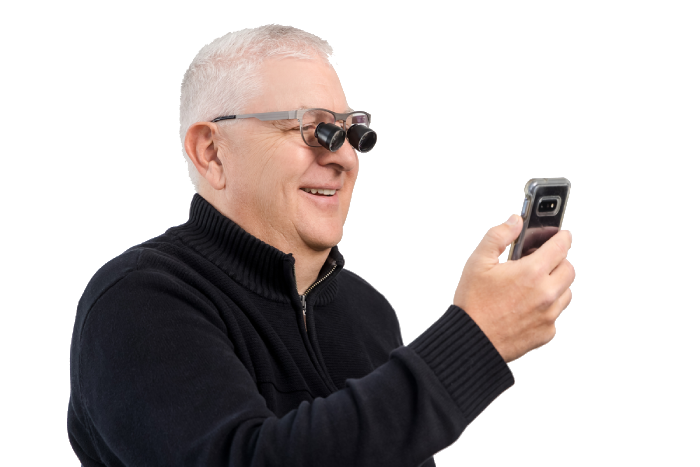
- Continue driving with bioptic telescope glasses when appropriate
Low vision care is about maximizing functional vision and helping people maintain independence.
Prioritize Your Vision This Healthy Vision Month
Healthy vision plays an important role in safety, confidence, independence, and everyday quality of life. Small preventive habits today can help protect your eyesight for years to come.
If you are experiencing vision changes, struggling with daily tasks, or searching for specialized low vision care in Minnesota, we are here to help.
We offer a free phone consultation to discuss your goals and determine whether personalized low vision care may be right for you.
Life after vision loss is possible with the right tools, support, and guidance.
Call 612-729-3030 or visit LowVisionOfMN.com. Serving the Twin Cities metro and Greater Minnesota.
Life after vision loss is possible with the right tools and support.
Dr. Chris Palmer