When people think about vision loss, they often focus only on the physical changes — difficulty reading, driving, recognizing faces, or navigating everyday environments. But one of the most important conversations we need to have during Mental Health Awareness Month is how vision loss can also affect emotional well-being.
At Low Vision Restoration, Dr. Palmer regularly works with individuals who are not only adjusting to changes in eyesight, but also coping with the emotional impact that can come with those changes.
The truth is that vision loss can affect confidence, independence, relationships, and mental health in ways many people do not immediately recognize.
The Emotional Impact of Low Vision
For many patients, vision changes happen gradually. Activities that once felt simple — reading a menu, recognizing someone across the room, driving at night, or managing medications — may suddenly become frustrating or exhausting.
These changes can sometimes lead to feelings of:
- Anxiety
- Isolation
- Frustration
- Loss of independence
- Embarrassment
- Depression
- Fear about the future
Some people begin avoiding social situations because they worry about not recognizing people or navigating unfamiliar environments safely. Others may feel guilty asking for help or become discouraged after struggling with tasks that once felt routine.
These feelings are more common than many people realize, and they deserve to be acknowledged with compassion and support.
Vision Loss Affects More Than Eyesight
Low vision does not simply change how someone sees the world — it can change how they feel within it.
Research has shown that individuals living with visual impairment may face a higher risk of depression and social withdrawal, especially when they feel unsupported or uncertain about available resources.
That is why comprehensive low vision care should address more than magnification devices or eye charts. Emotional support, education, and practical strategies are equally important parts of helping patients maintain quality of life.
Why Early Support Matters
One of the biggest mistakes people make is waiting too long to seek help.
Many patients assume nothing can be done after being diagnosed with conditions such as macular degeneration, glaucoma, diabetic retinopathy, or other causes of low vision. As a result, they may begin withdrawing from activities they enjoy long before necessary.
In reality, specialized low vision care can often help patients continue doing many of the things that matter most to them.
With the right tools and guidance, individuals may improve their ability to:
- Read more comfortably
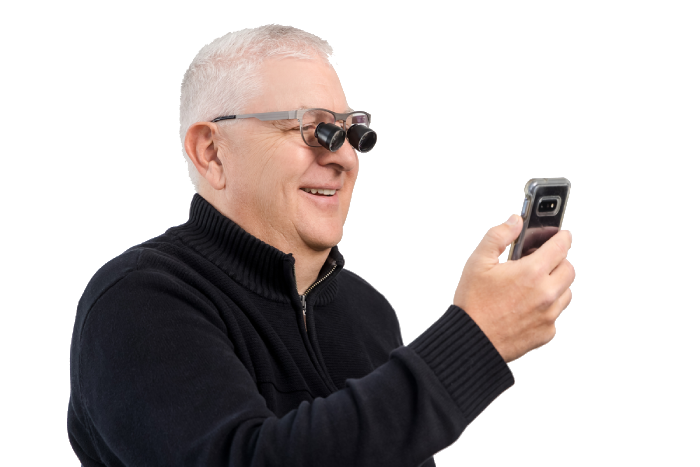
- Use phones, tablets, and computers
- Watch television
- Manage medications independently
- Improve mobility and safety
- Continue hobbies and daily activities
- Stay socially connected
Regaining function often helps restore confidence as well.
Small Changes Can Make a Big Difference
Mental health and vision health are deeply connected. Sometimes, even small improvements in daily function can reduce stress and improve emotional well-being.
Simple strategies that may help include:
- Improving lighting at home
- Using magnification devices
- Learning accessibility features on smartphones and tablets
- Reducing glare with specialized lenses
- Staying socially engaged
- Talking openly with family members and healthcare providers
- Seeking emotional support when needed
Patients are often surprised by how much independence can be regained with proper support and training.
You Are Not Alone
One of the most important things I want patients to understand is this: experiencing emotional challenges after vision loss does not mean you are weak, failing, or “not trying hard enough.”
Adjusting to vision changes takes time, patience, and support. It is okay to ask questions, seek help, and explore tools that can improve both daily life and emotional well-being.
At Low Vision Restoration, Dr.Palmer believes low vision care is about more than eyesight alone. It is about helping people maintain independence, confidence, and connection to the life they want to continue living.
Support Is Available
If vision changes are affecting your daily life or emotional well-being, you do not have to navigate it alone.
We offer a free phone consultation to discuss your goals and determine if specialized low vision services are right for you.
Call 612-729-3030 or visit LowVisionOfMN.com. Serving the Twin Cities metro and Greater Minnesota.
Life after vision loss is possible with the right tools and support.
Dr. Chris Palmer